Before you submit an offer, ask these critical questions — about price, conditions, the seller, and the property — to protect your money and your decision.
Is the Price Supported by Comparable Sales?
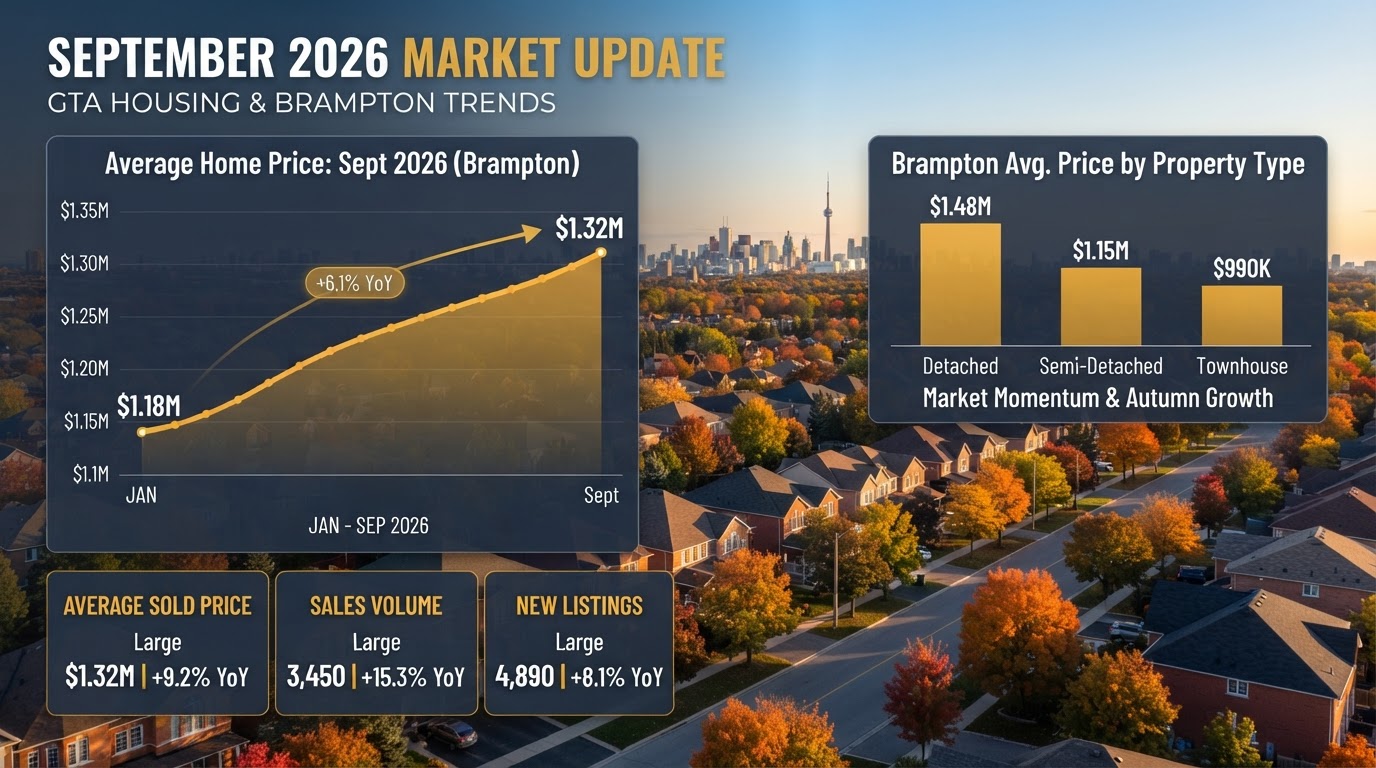
The single most important question: does the asking price reflect recent comparable sales? Ask your agent to pull sold comparables from the last 30–90 days within a tight radius, adjusted for size, condition, and features. If the asking price exceeds comparable sales without justification, you're overpaying. A data-backed offer protects you; a gut-feel offer risks your money. Never make an offer without this analysis in hand.
What Conditions Should I Include?
Ask: 'Which conditions protect me here — financing, inspection, status certificate (for condos), sale of my current home?' In 2026's balanced market, you can usually keep financing and inspection conditions. For condos, a status certificate review is essential. Waiving conditions to 'win' risks your deposit and financial safety. Your agent should recommend the right conditions for the specific property and your situation — not a blanket strategy.
Why Is the Seller Selling?
Understanding the seller's motivation shapes your strategy. Ask your agent to inquire: Is it a job relocation, an estate sale, a divorce, a upsizing/downsizing move, or a distressed sale? A motivated seller may accept a lower price or flexible closing date. A seller testing the market may be inflexible. This intelligence helps you craft an offer that's attractive on the terms that matter to them — not just price.
How Long Has It Been Listed, and Have There Been Reductions?
Days on market and price reduction history reveal leverage. A home listed 45+ days with a recent price reduction signals a motivated seller and room to negotiate. A fresh listing at market price with multiple showings suggests competition. Ask your agent for the full listing history — original price, reductions, and time on market. This data tells you whether to offer aggressively or patiently.
Are There Known Issues or Material Defects?
Sellers in Ontario must complete a Seller Property Information Statement (SPIS) if they choose to, disclosing known issues. Ask: 'Has the seller disclosed any known defects?' 'Are there past insurance claims for water, fire, or structural issues?' 'Are there permits for renovations or the basement suite?' Undisclosed or unpermitted work can become your expensive problem. Your agent and inspector should investigate these thoroughly.
What Are the Ongoing Costs?
Ask about property taxes, utility averages, condo fees (and what they cover), special assessments pending, and any maintenance obligations. For condos, request the status certificate to review reserve fund health and upcoming projects. Ongoing costs affect affordability and resale. A home that's affordable to buy but expensive to carry can become a burden. Know the full cost of ownership before offering.
The Bottom Line
Before offering, confirm price against comps, choose protective conditions, understand seller motivation, review listing history, investigate known issues, and calculate ongoing costs. These questions protect your money and your decision. Book a free buyer consultation and I'll show you exactly how I prepare clients to offer with confidence.