Condo or house? Each has distinct costs, responsibilities, and lifestyle trade-offs. Here's a data-driven comparison to help you choose what fits your goals.
The Core Trade-Off: Price vs. Space
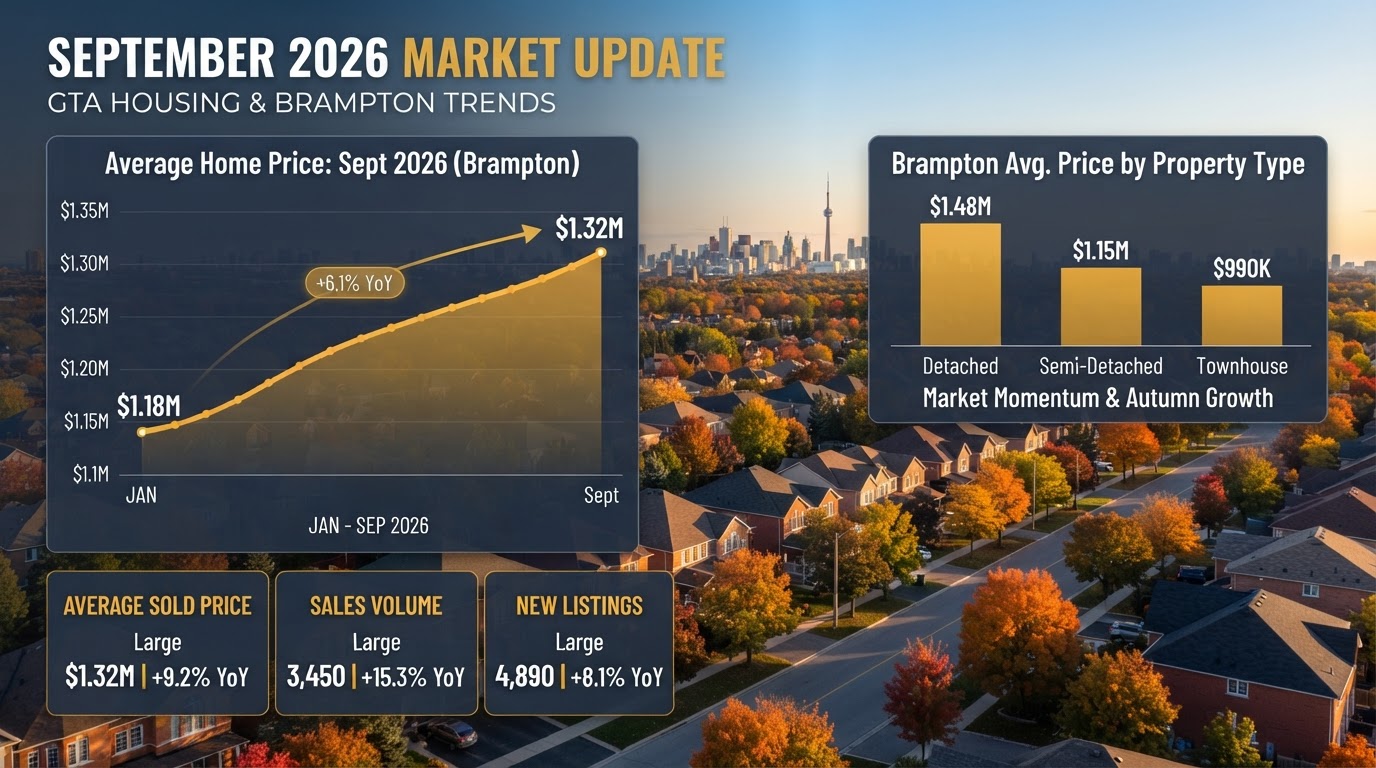
Condos offer a lower entry price — a downtown Toronto or Mississauga condo averages $600K–$900K versus $1.2M+ for a detached home in the same area. For first-time buyers and budget-conscious purchasers, condos provide a path to ownership without the detached price tag. The trade-off is space: a condo gives you 600–1,000 sq ft versus 1,500–2,500+ for a house. Your lifestyle and family stage largely determine which matters more.
Condo Fees: The Ongoing Cost
Condo fees (maintenance fees) cover building upkeep, amenities, insurance, and sometimes utilities. They typically run $0.50–$0.80 per sq ft monthly — $400–$800 for a 700–1,000 sq ft unit. Fees increase over time and can spike with special assessments for major repairs. When budgeting, add condo fees to your monthly housing cost alongside mortgage, property tax, and insurance. A condo's lower purchase price can be offset by years of fees — calculate total carrying cost, not just price.
Maintenance and Responsibility
Condo owners are responsible only for their unit's interior; the condo corporation handles the building, roof, exterior, and common areas. This means fewer maintenance headaches and costs — a major lifestyle benefit for busy professionals. House owners handle everything: roof, furnace, lawn, snow, and all repairs. If you value low-maintenance living, condos win; if you want control and no monthly fees, houses appeal. Match the choice to your tolerance for maintenance.
Appreciation and Resale
Historically, detached homes in the GTA have appreciated faster than condos, particularly in the 2020s as buyers sought space during remote work shifts. However, condos in prime locations (downtown, near transit) hold value well and offer rental income potential. The 2026 market shows condos relatively soft (buyer's market) while detached homes remain resilient. For appreciation, detached generally wins long-term; for affordability and rental yield, condos can make sense. Consider your time horizon and investment goals.
Lifestyle and Community
Condos offer amenities (gym, pool, concierge, party room), security, and urban walkability — appealing to young professionals and downsizers. Houses offer private outdoor space, room for a growing family, and neighbourhood community — appealing to families and those who value privacy. Neither is objectively better; the right choice depends on your life stage, family plans, and lifestyle priorities. Visit both types before deciding; experience the lifestyle, not just the numbers.
Status Certificate Due Diligence
If you choose a condo, the status certificate is your essential due-diligence document. It reveals the condo corporation's financial health, reserve fund, pending special assessments, rules, and any legal issues. Review it with your lawyer before waiving your condition. A healthy reserve fund and no pending assessments protect you from surprise costs. A poorly managed building can lead to special assessments costing thousands. Never buy a condo without reviewing the status certificate.
The Bottom Line
Condos offer lower price and low-maintenance living with ongoing fees; houses offer space, privacy, and stronger appreciation with full maintenance responsibility. Match the choice to your budget, lifestyle, and goals. Book a free consultation and I'll compare condo vs. house options for your specific situation with full cost analysis.