Overpaying is the costliest buyer mistake. Here's how to use comparable sales, market data, and negotiation discipline to pay a fair price every time.
The Foundation: Comparable Sales Analysis
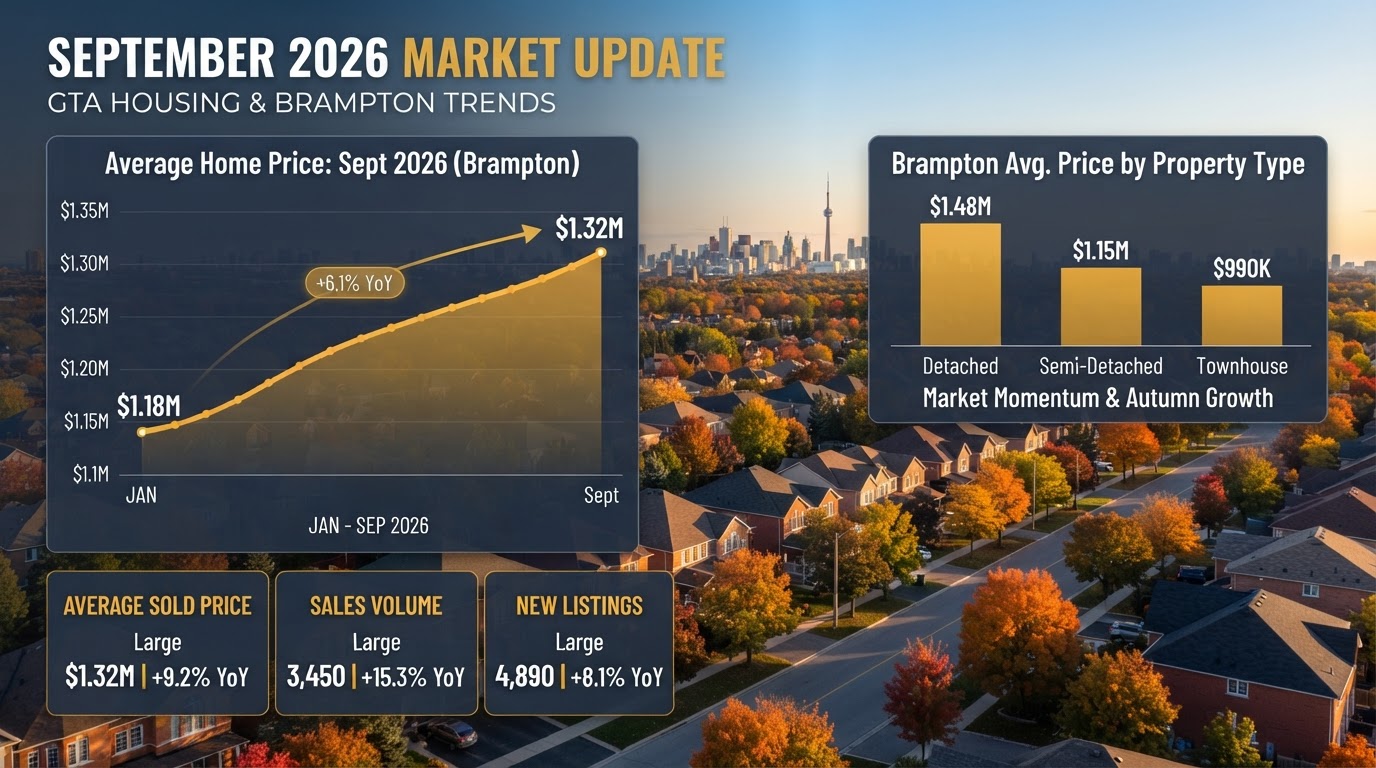
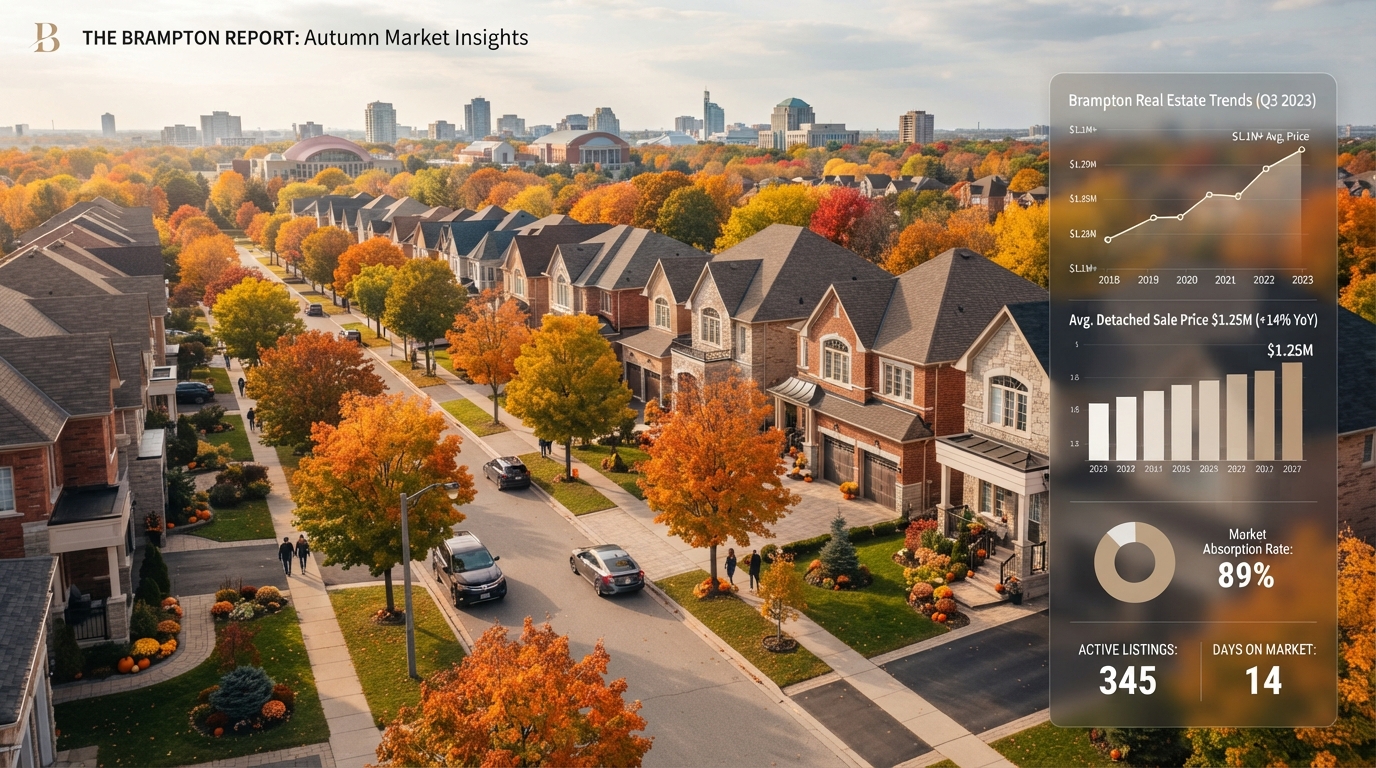
The single best protection against overpaying is comparable sales data. Before any offer, your agent should pull sold comparables from the last 30–90 days within a tight radius, adjusted for size, condition, lot, and features. This tells you what similar homes actually sold for — not what sellers are asking. Asking prices are aspirations; sold prices are reality. An offer based on comps is grounded; one based on the listing price is a guess.
Understand Price-Per-Square-Foot
Price-per-square-foot normalizes comparison across homes of different sizes. Calculate it for your target home and for recent solds in the area. If your target is priced significantly above the neighbourhood's price-per-square-foot without justification (larger lot, superior condition, premium location), you may be overpaying. This metric isn't perfect — condition and layout matter — but it's a powerful sanity check against emotional decisions.
Watch Days on Market and Reductions
A home listed 45+ days with price reductions signals a motivated seller and room to negotiate. A fresh listing at market with multiple showings suggests competition and less leverage. Ask your agent for the full listing history — original price, reductions, and time on market. This data tells you whether to offer below asking, at asking, or hold firm. Sellers who've reduced have already accepted their home is worth less than they hoped.
Don't Get Emotionally Attached Too Early
Emotional attachment leads to overpaying. When you 'fall in love' with a home before due diligence, you're more likely to stretch your budget and waive conditions. Stay rational: view the home as a financial decision until inspections and comps confirm it's sound. A good agent keeps you grounded, reminding you of your budget and the data when emotions spike. The right home at the right price is worth waiting for; the wrong price on the 'perfect' home is a mistake.
Negotiate, Don't Just Accept
In 2026's balanced market, you can negotiate — on price, closing date, conditions, and included items. Don't accept the asking price as fixed. Your agent should craft an offer strategy based on comps, market conditions, and seller motivation. Sometimes offering slightly below asking with strong terms wins; sometimes matching asking with favourable conditions is right. The key is a deliberate strategy, not a reflexive acceptance of the list price.
Account for All Costs, Not Just Price
Overpaying isn't just about purchase price — it's about total cost of ownership. Factor land transfer tax, legal fees, immediate repairs the inspection reveals, property tax, and ongoing maintenance. A home priced 'fairly' that needs $30K in immediate roof and furnace work may cost more than a slightly pricier home in move-in condition. Evaluate the all-in cost, not just the headline number, to avoid a different kind of overpaying.
The Bottom Line
Avoid overpaying with comparable sales analysis, price-per-square-foot checks, days-on-market intelligence, emotional discipline, active negotiation, and full-cost accounting. Data and patience help you make a confident, well-informed offer. Book a free buyer consultation and I'll show you how I build offer strategies grounded in local comparable sales.